


Is 20% Tint Legal in the UK? Front, Rear and Side Window Rules
The short answer is this: 20% tint is normally a rear-window shade, not a front-window shade.
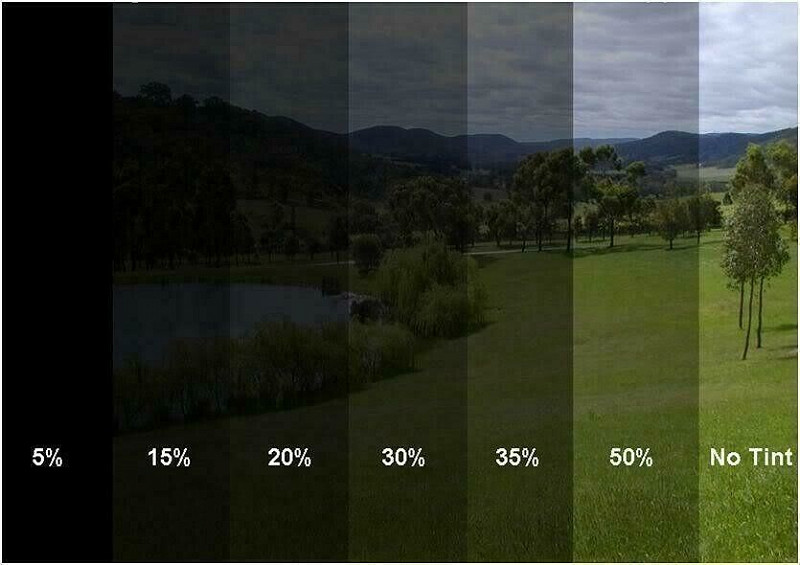
That is the bit people need to hear before they spend money. A 20% film lets through roughly 20% of visible light. It gives a strong privacy look on rear windows, but it is far too dark for the front side glass on most road cars in the UK.
The confusion comes from the way cars are built. A lot of vehicles leave the factory with front side glass that is already slightly tinted. It might look clear to your eye, but it is not usually 100% clear glass. Add a dark film on top and the total light transmission drops quickly.
GOV.UK’s tinted vehicle window rules say that vehicles first used on or after 1 April 1985 must let at least 75% of light through the front windscreen and at least 70% through the front side windows.
Rear windows are different. There are no UK light transmission rules for the rear windscreen or rear passenger windows.
Where 20% works well
20% is a popular choice for the rear half of hatchbacks, SUVs, estates, pickups and vans.
It gives privacy, helps reduce glare and usually sits nicely with modern factory trim.
The key is keeping the front legal and making sure the rear shade still suits how you use the car.
Why 20% on front windows is a bad idea
A 20% front tint might look good in a photo, but it can create three problems.
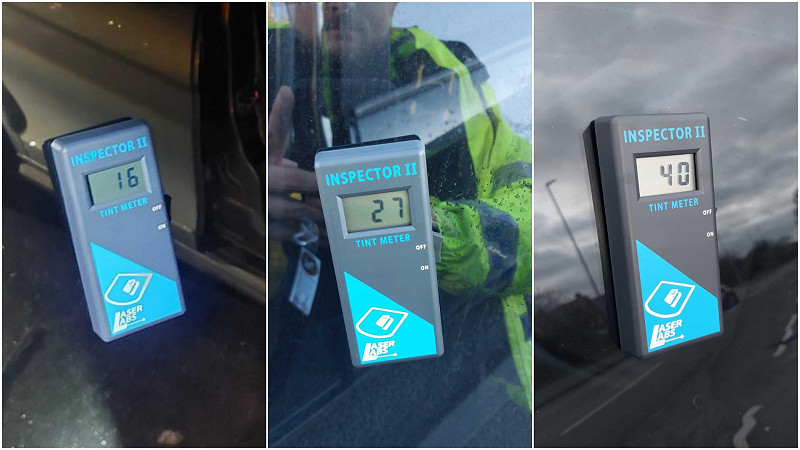
First, it can put the car outside the legal limit. Police and DVSA examiners can use light meters, so this is not just a matter of opinion.
Second, it can make night driving worse. Junctions, cyclists, pedestrians, poorly lit lanes and wet roads all need clear side visibility.
Third, it can cause hassle later. MOT, insurance, roadside checks and resale conversations all become more awkward when the front glass is obviously too dark.
Some people will tell you they have had dark front tints for years and never had a problem. That might be true for them. It does not make the fit legal, and it does not make it a good recommendation.
What about a lighter film on the front?
A very light or clear performance film may be possible in some cases, but the finished glass still has to meet the legal light transmission limits. The important word there is finished. You cannot look only at the film number.
If the original glass is already around the legal limit, there may not be room to add anything that darkens it.
That is why a proper installer should be willing to say no. The job is not just getting film onto glass. It is fitting the right film in the right place.
A simple rule of thumb
Rear windows: plenty of choice.
Front side windows: keep them legal.
Windscreen: be very careful and get proper advice.
If anyone offers a dark front tint without talking about UK light limits, walk away.
What should you ask for instead?
If you like the look of 20%, ask for it on the rear section. On many cars that means the rear doors, rear quarters and back screen.
If you want the car to feel cooler, ask about the film range as well as the shade. A quality ceramic film can make a big difference to heat and glare without relying only on darkness.
If you want the front to look better, ask for legal advice before anything else. A small styling gain is not worth a prohibition notice, a penalty, or an awkward conversation after an accident.
At Automotive Solutions in Brighouse, we fit LLumar film and talk customers through what can and cannot be done before the job starts. It keeps the car looking right and keeps the owner out of needless trouble.
More detail on our fitting options is here: vehicle window tinting in Brighouse.