

The Skin Cancer Foundation explains that UVA can pass through ordinary window glass and reach people indoors or in vehicles.
LLumar window film and UV protection
Skin cancer, UV exposure and window film
A factual guide to how professionally fitted LLumar window film can help reduce UVA and UVB exposure through vehicle, home and workplace glass.
99%+
UV blocking requirement for The Skin Cancer Foundation Seal
LLumar says its automotive window tint blocks up to 99% of harmful UV rays and is recommended by The Skin Cancer Foundation as part of a wider sun protection programme.
LLumar residential solar control film is described by LLumar as blocking over 99% of harmful UV rays while also helping with heat and glare.
The important bit
Window film helps with a very specific problem: glass exposure.
Most people think of sun protection as something for the beach, the garden or hot weather. The problem with glass is different. You can be sat in a car, next to patio doors, beside an office window or in a conservatory and still have ultraviolet light reaching your skin.
UVB is mostly filtered by ordinary glass, but UVA is longer wavelength light and can pass through windows more easily. That is why the subject matters for drivers, passengers, children in rear seats, people who work near windows and anyone spending long periods beside bright glass.
Window film is not a medical product and it does not replace sunscreen or sensible sun safety. It is a practical way to improve the glass itself, especially where the same seat, desk, room or vehicle is exposed to sun again and again.
Animated fact check
What changes when UV window film is fitted?
1. Sunlight hits the glass
Visible light, heat and ultraviolet radiation travel towards the window. The goal is not always to make the glass dark; the goal is to improve performance.
2. Film adds a UV barrier
UV inhibitors in the film help reduce UVA and UVB transmission through the treated pane, while the film choice controls how subtle or shaded the result looks.
3. Exposure through that pane is reduced
The result can help protect people, pets and interiors from repeated glass-side UV exposure, while still keeping the space usable and bright.
Why LLumar is mentioned
There are separate facts worth keeping clear.
The Skin Cancer Foundation Seal has a UV threshold
The Foundation says window film, tint, glass and lenses must block 99% or more UVA and UVB radiation to meet its Seal requirements.
Read the Seal requirementsLLumar says its automotive tint is Foundation recommended
LLumar says its automotive window tint blocks up to 99% of harmful UV rays and is recommended by The Skin Cancer Foundation as part of comprehensive sun protection.
Read LLumar automotive benefitsClear film can be UV-focused without a dark look
LLumar AIR clear performance film is described by LLumar as blocking over 99% of harmful UV rays while keeping the vehicle glass close to its original appearance.
Read about LLumar AIRThe older UK artwork references British Skin Foundation recognition
The LLumar sun protection artwork used on this site refers to British Skin Foundation recognition of LLumar's contribution to sun protection. That is a different claim from the current Skin Cancer Foundation Seal wording, so this page keeps them separate.
View the LLumar artwork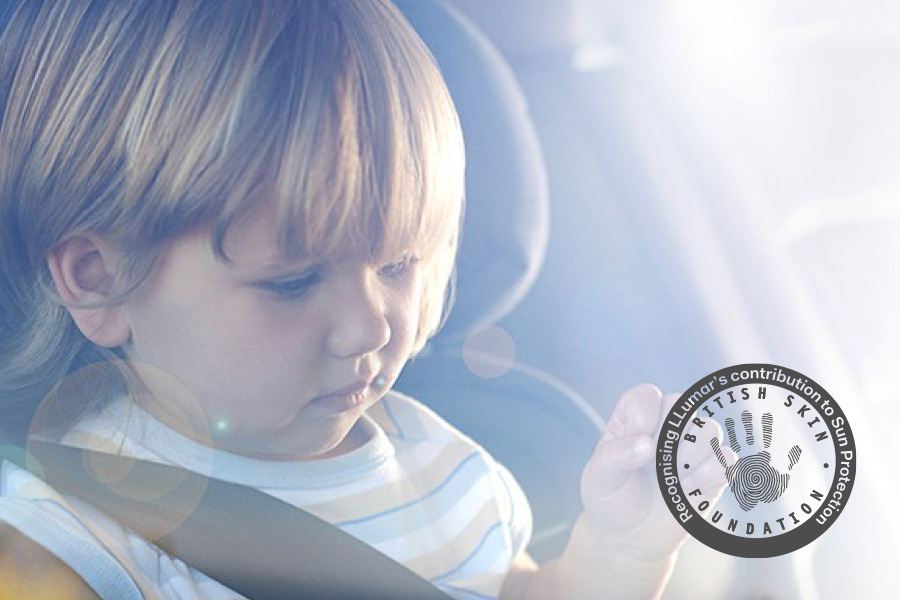
UVA
99%+
UVB
99%+
Visible shade
Optional
UV performance and darkness are not the same thing. Some film choices focus on UV and heat performance with very little change to the look of the glass.
Dark tint vs UV protection
Good UV protection does not always mean blacked-out glass.
One of the useful things about modern film is choice. Some customers want a darker rear tint for privacy and appearance. Others want a subtle or clear film because the main concern is UV exposure, heat or glare.
For vehicles, front glass also has legal limits. GOV.UK says that, for vehicles first used on or after 1 April 1985, the front windscreen must let at least 75% of light through and the front side windows at least 70%. Automotive Solutions can advise on legal, practical options before fitting.
Where it helps
Three everyday places where UV film can make sense
Vehicles
Useful for family cars, work vans, long-distance drivers, passengers, children in rear seats and vehicles with large side or rear glass areas.
Vehicle window tintingHomes
Good for rooms where people sit beside patio doors, bay windows, home office windows, conservatories or bright south-facing glass.
Home window filmWorkplaces
Helpful where desks, counters, waiting areas or display zones sit close to exposed glass for long periods each day.
Commercial window filmComplete sun safety
Window film is one layer, not the whole plan.
UV film
Use shade when the sun is strong, especially around the middle of the day.
Cover skin with suitable clothing, hats and UV-protection sunglasses.
Use SPF 30+ with good UVA protection when skin is exposed.
Speak to a medical professional about skin concerns or changes.
Sources checked
Factual sources used for this page
Automotive Solutions, Brighouse